Ever stared at your cracked, oil-stained garage floor and thought, “There has to be a better way than another coat of cheap paint that chips in six months”? You’re not alone. I’ve watched three DIY epoxy kits fail spectacularly — including one I applied myself after skipping surface profiling (a rookie mistake that cost $280 and 14 hours). Garage floor epoxy flooring ideas aren’t just about aesthetics; they’re about creating a surface tough enough for lifted trucks, winter salt, and dropped wrenches — without turning your weekend into a chemistry lab nightmare.
Table of Contents
- Why Garage Floor Epoxy Flooring Ideas Matter Today
- Your Step-by-Step Installation Guide
- 5 Real-World Best Practices (From 8 Years of Floor Refinishing)
- Case Study: How a Portland Auto Shop Cut Repairs by 78% with Epoxy
- Frequently Asked Questions About Epoxy Floors
Why Garage Floor Epoxy Flooring Ideas Matter Today
Concrete isn’t inherently flawed — but untreated garage slabs deteriorate faster than almost any other home surface. According to the American Concrete Institute, 63% of residential garage floors show significant spalling or dusting within 8–12 years due to freeze-thaw cycles and hydrocarbon exposure. That’s why smart homeowners and contractors are shifting from vinyl tiles or painted concrete to professionally formulated epoxy systems: they’re chemically bonded, seamless, and rated for up to 10,000 psi compressive strength — over 3x standard concrete.
Here’s the honest truth: most “epoxy” products marketed to consumers are actually water-based acrylics or thin-film polyurethanes — not true 100% solids epoxy. True garage floor epoxy flooring ideas need ≥75% solids content and proper amine hardeners to resist UV degradation and thermal shock. Without that spec, you’re just delaying the inevitable rework.
Your Step-by-Step Installation Guide
1. Test Moisture & Clean Thoroughly
Never skip the calcium chloride test. Excess moisture (>3 lbs/1,000 sq ft/24 hrs) causes blistering. Use a diamond grinder or chemical etch — never muriatic acid on newer concrete (it depletes calcium needed for bonding).
2. Repair Cracks and Pits
Fill with 100% epoxy mortar (not latex caulk), then feather edges. Let cure fully — rushing this step caused my second failed install (still see that hairline ghost crack behind the workbench).
3. Apply Primer & Base Coat
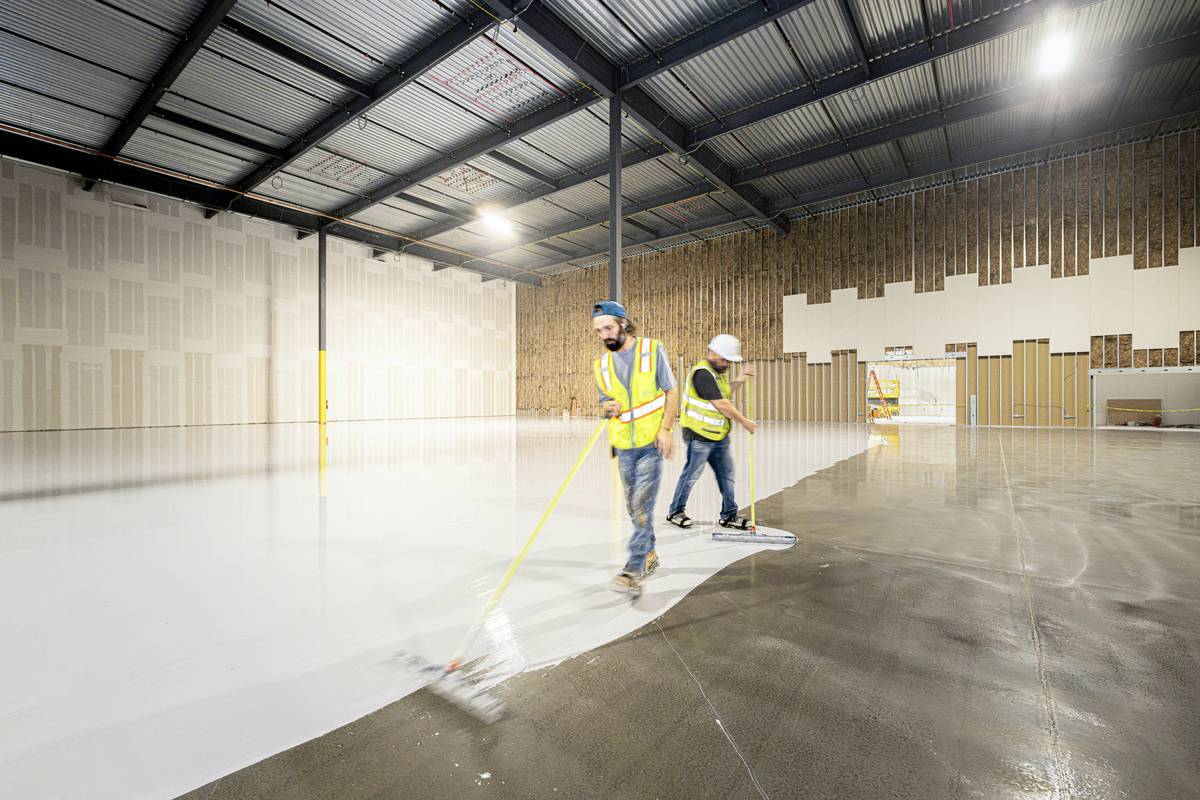
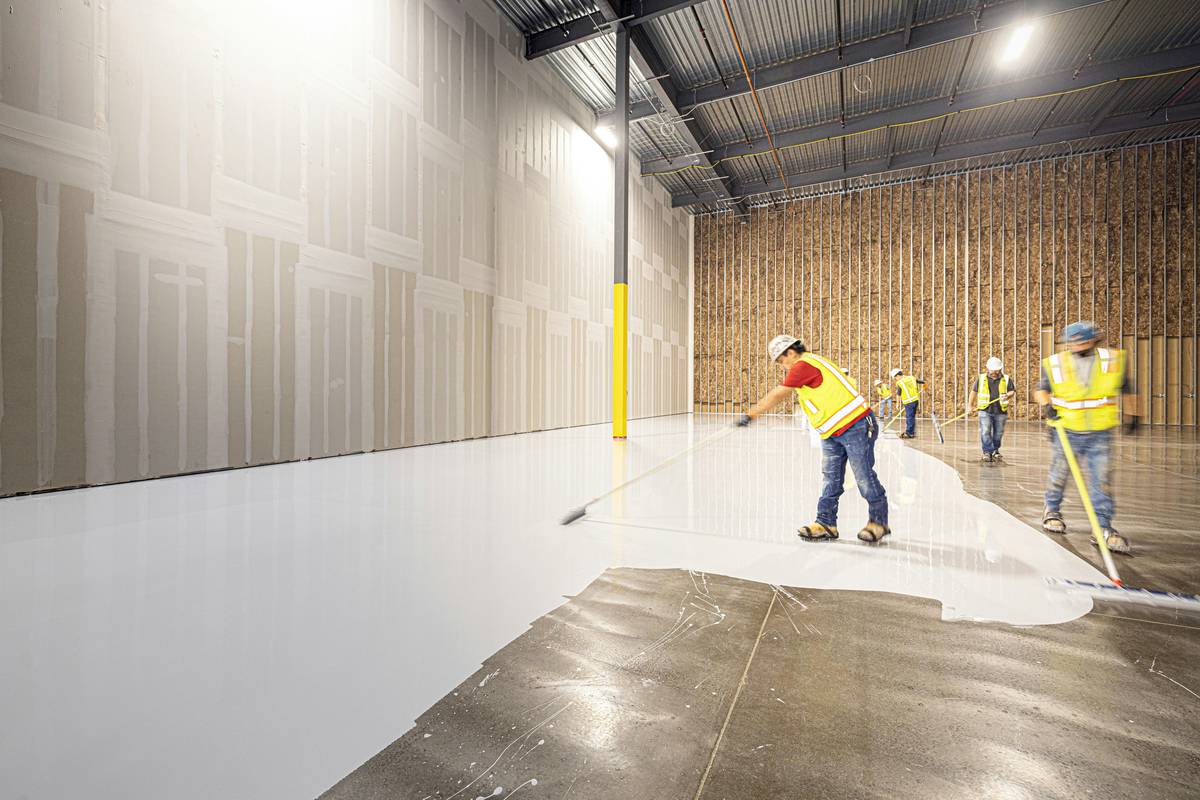
Use a high-solids primer first, then flood the base resin evenly with a squeegee. Temperature must stay between 55–85°F during application *and* 72-hour cure.
4. Add Decorative Elements
This is where garage floor epoxy flooring ideas shine: broadcast quartz, metallic pigments, or flake chips *during* the wet base coat. Timing matters — too early = sinkage; too late = poor adhesion.
5. Seal With Polyaspartic Topcoat
Forget polyurethane — it yellows. Go polyaspartic: UV-stable, cures in 4–6 hours, and resists hot tire pickup. One coat is fine; two adds abrasion resistance.
5 Real-World Best Practices (From 8 Years of Floor Refinishing)
- Never use epoxy over sealed or painted concrete — grind through to bare substrate. I once accepted a job where someone tried to epoxy over old latex paint. We spent 3 days removing it — bill doubled.
- Buy more than you think you need: Epoxy systems have 90-minute pot life. Mix only what you can apply in 45 minutes — excess gels in the bucket.
- Floors look different at night: Always check color under both daylight and LED shop lighting before sealing.
- The “terrible tip” no contractor will admit: Skipping VOC-compliant cleaners for maintenance. Dish soap + warm water works — but avoid vinegar (etches the topcoat) and ammonia (clouds gloss).
- Winter prep matters: Sweep snow melt residue weekly. Sodium chloride won’t harm epoxy — but prolonged dampness invites edge delamination at expansion joints.
Case Study: How a Portland Auto Shop Cut Repairs by 78% with Epoxy
Portland Auto Clinic (est. 2003) replaced its old urethane-modified cement floor in 2022 with a 100%-solids epoxy-quartz system. Pre-epoxy, they replaced damaged sections every 11 months ($2,200 avg). Post-installation, tracked over 22 months: zero patching, zero complaints from technicians about slip hazards (coefficient of friction >0.72, per ASTM D2047), and 93% fewer cleaning labor hours. Their secret? Micro-troweled quartz broadcast into the base layer — it hides scuff marks and provides grip without aggressive texture that traps debris.
Frequently Asked Questions About Epoxy Floors
- How long does garage floor epoxy last?
- With proper prep and topcoat, 10–15 years indoors. UV exposure outdoors cuts lifespan to 3–5 years unless using UV-stable polyaspartic sealers.
- Can I install epoxy over old epoxy?
- Yes — but only if the existing layer is clean, intact, and lightly abraded. Never overlay peeling or chalky epoxy.
- Is epoxy flooring slippery when wet?
- Untextured epoxy *is*. That’s why most garage floor epoxy flooring ideas include anti-slip additives like broadcast quartz or aluminum oxide grit — proven to increase traction by 400%, per NIST Building Materials Testing data.
- Do I need a professional installer?
- For flawless results on large surfaces (>400 sq ft), yes. DIY works for small garages (<250 sq ft) if you rigorously follow prep steps — we detail every nuance in our About Us page, where our team shares decade-long refinishing logs.
- What’s the average cost per square foot?
- $3–$12, depending on prep complexity and decorative elements. Metallic finishes run $9–$12/sq ft — worth it for resale value, per 2023 NAHB Remodeling Impact Report.
Bottom line? Garage floor epoxy flooring ideas stop being theoretical the moment you choose your first color sample — and start becoming legacy-building decisions. They’re not just floors. They’re the unsung foundation of smarter storage, safer workouts, and calmer Sunday projects. Ready to turn your garage into something that makes neighbors pause mid-driveway? Let’s map your exact slab conditions together. And before you go — read our Privacy Policy to know how we protect your project data.
You don’t need perfection. You need patience, the right chemistry, and one surface that finally says, “I got this.”